


Improving patient outcomes and compliance with accessories: What to recommend beyond the prescription
Written by menMD Expert
1111 Words. 5-minute read.
We’ve heard from some providers in our network that they sometimes hesitate to discuss accessory products with patients. They say it feels too sales-forward, or perhaps it seems outside the scope of clinical care.
The data tells a different story.
Treatment adherence for erectile dysfunction medications hovers around 50% at the one-year mark. For injection therapy, dropout rates climb even higher. The right supplementary products can address the practical barriers driving these numbers, turning treatment plans that work on paper into treatments that actually work for patients.
Here’s what the research supports and how to incorporate these recommendations into your practice.
Constriction rings deserve a spot in your treatment protocols
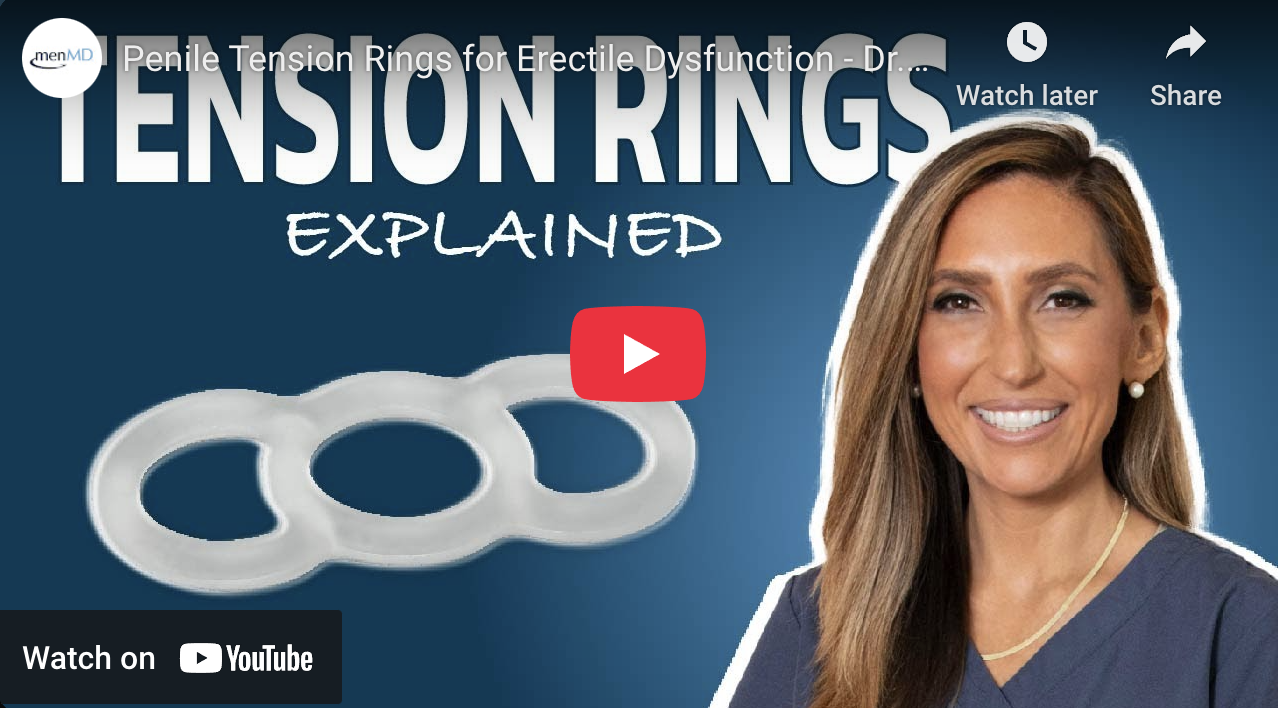
Penile constriction rings remain underutilized despite decades of evidence supporting their efficacy. They work as standalone treatments for mild ED, but their real value emerges in combination therapy.
For patients with venous leak, rings address the underlying mechanism that oral medications often miss. Adding a constriction ring to an existing oral medication regimen can turn a partial response into a satisfactory one.
The same principle applies to VED and ICI users. Rings help maintain the erection achieved through these methods, extending duration and improving overall satisfaction for both patients and partners.
There have been a lot of advancements in this space over the years and we’re proud to carry some of the leading products on the market from brands like FirmTech and MYHIXEL.

One product worth noting: the FirmTech Tech Ring. Unlike traditional rings with strict 30-minute use limits, FirmTech uses a proprietary material designed for extended wear, including overnight use. The built-in sensors connect via Bluetooth to track nocturnal erections, providing actual data on erectile function rather than relying solely on patient recall.
The clinical applications here are significant. You can establish baselines before starting treatment, monitor response to interventions, and identify patterns that inform dosing adjustments. Patients also gain insight into their own physiology, which tends to improve engagement and compliance.

The MYHIXEL Ring takes a different design approach.
Its open design made with medical-grade silicone strategically relieves pressure on the urethra while still restricting blood flow at the base of the penis.
That means patients get the rigidity support of a constriction ring without the blocked sensation that can make ejaculation less satisfying. Designed by sexual health specialists, the MYHIXEL rings are FDA-registered and have a 30-minute wear limit like traditional rings.
Travel accessories prevent treatment interruptions
Temperature-sensitive medications like Trimix and Quadmix require careful handling.
The Insul-Tote and similar insulated travel cases maintain cold chain integrity for 24+ hours with standard ice packs. For longer trips, patients can refresh the ice at hotel ice machines or convenience stores.
Beyond storage, travel creates documentation challenges. Patients carrying syringes and injectable medications through airport security often feel anxious, which can lead to skipped doses or avoided trips altogether.
If you’re seeing patients that you know are traveling, who are using temperature-sensitive medications, this is typically how we advise them to be prepared for security checkpoints.
Keep medications in the original pharmacy packaging with visible labels. Carry a copy of the prescription or a letter from their provider (you) or office confirming medical necessity. TSA permits medically necessary liquids and syringes, but having documentation readily available speeds the screening process.
The underlying point matters more than any specific product: treatment interruptions during travel can tank compliance rates.
A patient who skips injections for a two-week vacation will likely struggle to restart the routine when they return. Addressing the logistics proactively can help keep therapy consistent.
Injection therapy compliance hinges on technique confidence
The biggest barrier to ICI adherence typically has nothing to do with the medication itself. Patients struggle with the injection process.
Fear of needles affects a significant portion of the population. Add in the sensitive injection site and the requirement for precise technique, and you have a recipe for abandoned prescriptions.
For patients with needle anxiety, auto-injectors like the Autoject can make a meaningful difference. The device hides the needle from view and delivers the injection with a button press rather than requiring manual insertion. It removes the psychological hurdle that stops many patients from even attempting self-injection.
Vision presents another challenge, particularly in your older patient population. Drawing up small volumes into insulin syringes requires visual acuity that many patients simply don’t have.
The Insul-Ease magnifier attaches to standard syringes and enlarges the barrel markings, making accurate dosing possible for patients who otherwise couldn’t manage it.
VED use before injection also helps. The increased blood flow makes the penis easier to handle and the injection site more accessible. Some patients find this combination approach less intimidating than injection alone.
Sharps disposal deserves mention as well. Patients without clear guidance often store used needles unsafely or dispose of them improperly. Recommending FDA-cleared sharps containers removes ambiguity and reduces the risk of accidental needlesticks for patients and their household members.
Supporting products round out comprehensive sexual health care
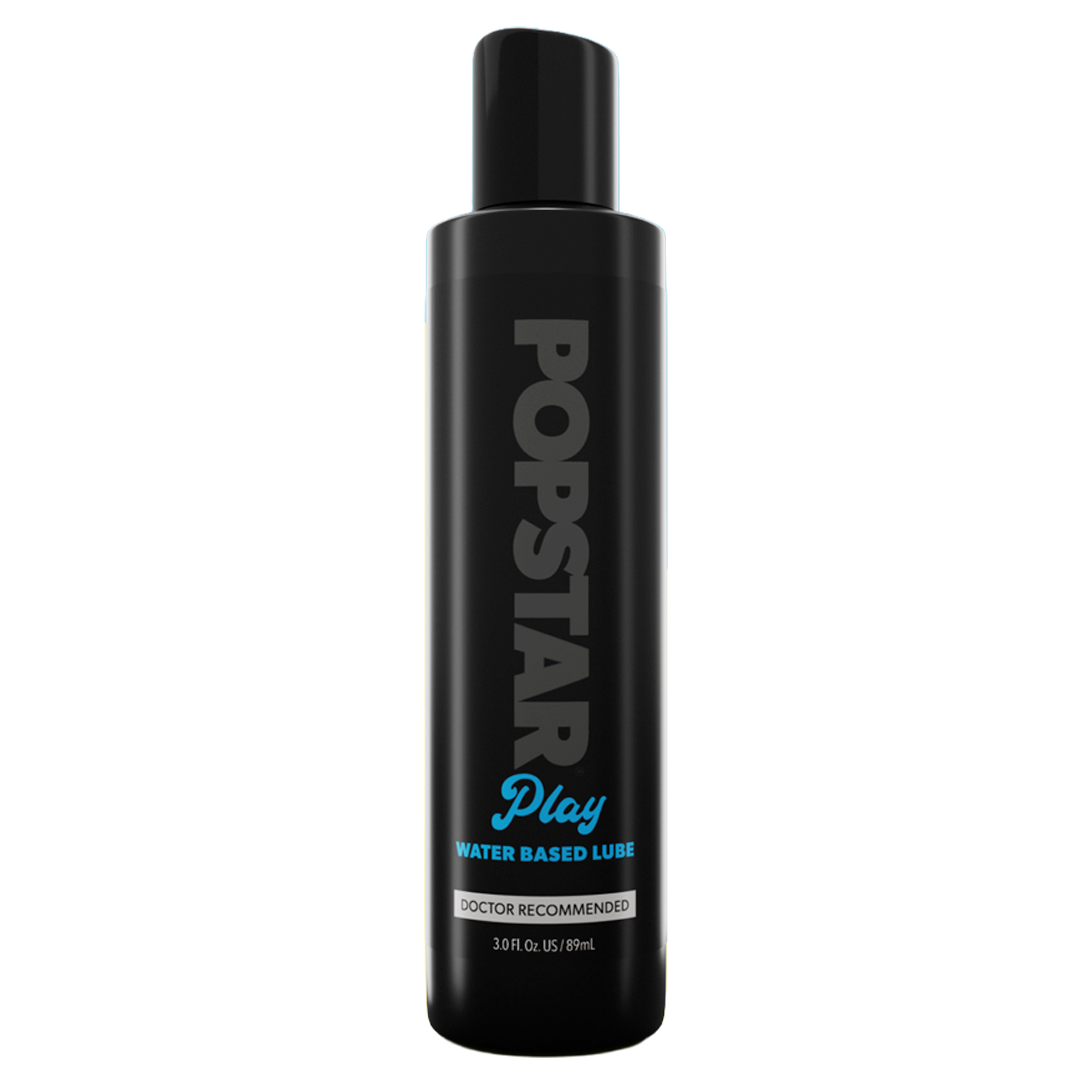
Lubricants seem basic, but product quality varies dramatically. The lubricants you recommend for pelvic exams and procedures differ from what you’d suggest for patient use at home. Having specific recommendations ready signals that you take this aspect of care seriously.
Water-based lubricants work well for most applications and are compatible with condoms and silicone toys. Silicone-based options last longer and work better in water, but they can degrade silicone devices. Matching the recommendation to the use case shows patients you’ve thought through their specific situation.

For patients concerned with fertility or semen health, physician-formulated supplements like PopStar Labs offer evidence-based ingredients in appropriate doses. These products won’t fix structural problems, but they can support overall reproductive function as part of a broader treatment approach.
The framing matters here. Patients respond better to “This will help your treatment work more effectively” than to a product catalog approach.
Making accessory recommendations routine
The conversation doesn’t need to be complicated. When prescribing ED treatments, mention that accessories exist and can improve results. Offer specific recommendations based on the patient’s treatment plan and individual circumstances.
Many providers find that normalizing these products in initial consultations leads to better outcomes than waiting for patients to ask or struggle. A patient who leaves with both a prescription and a plan for optimizing that prescription has a better chance of long-term success.
menMD offers a comprehensive product catalog covering all the accessories discussed here, along with educational resources you can share with patients.
For details on specific products or to explore partnership options, visit our provider resources page or contact your menMD account manager.


